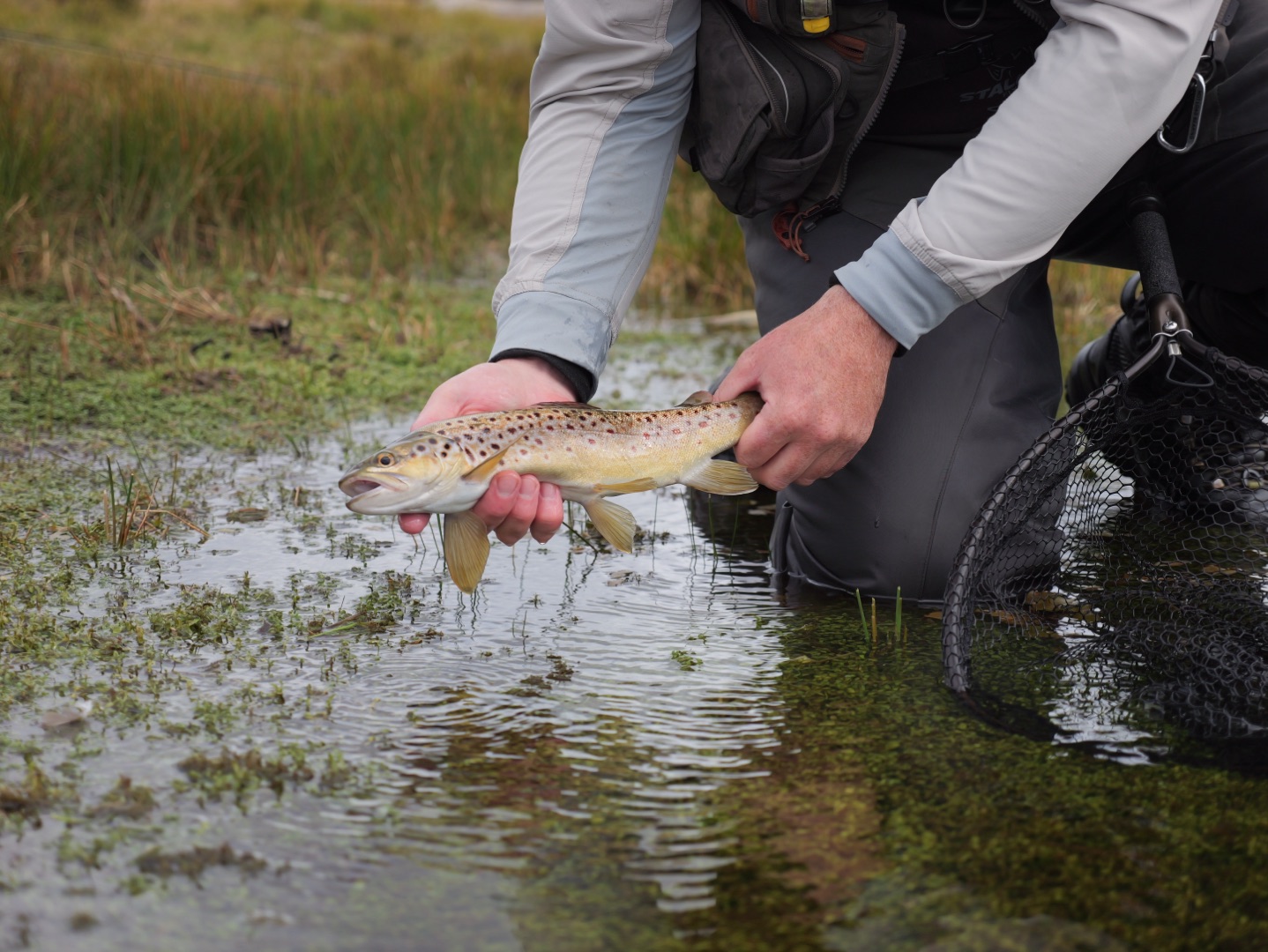
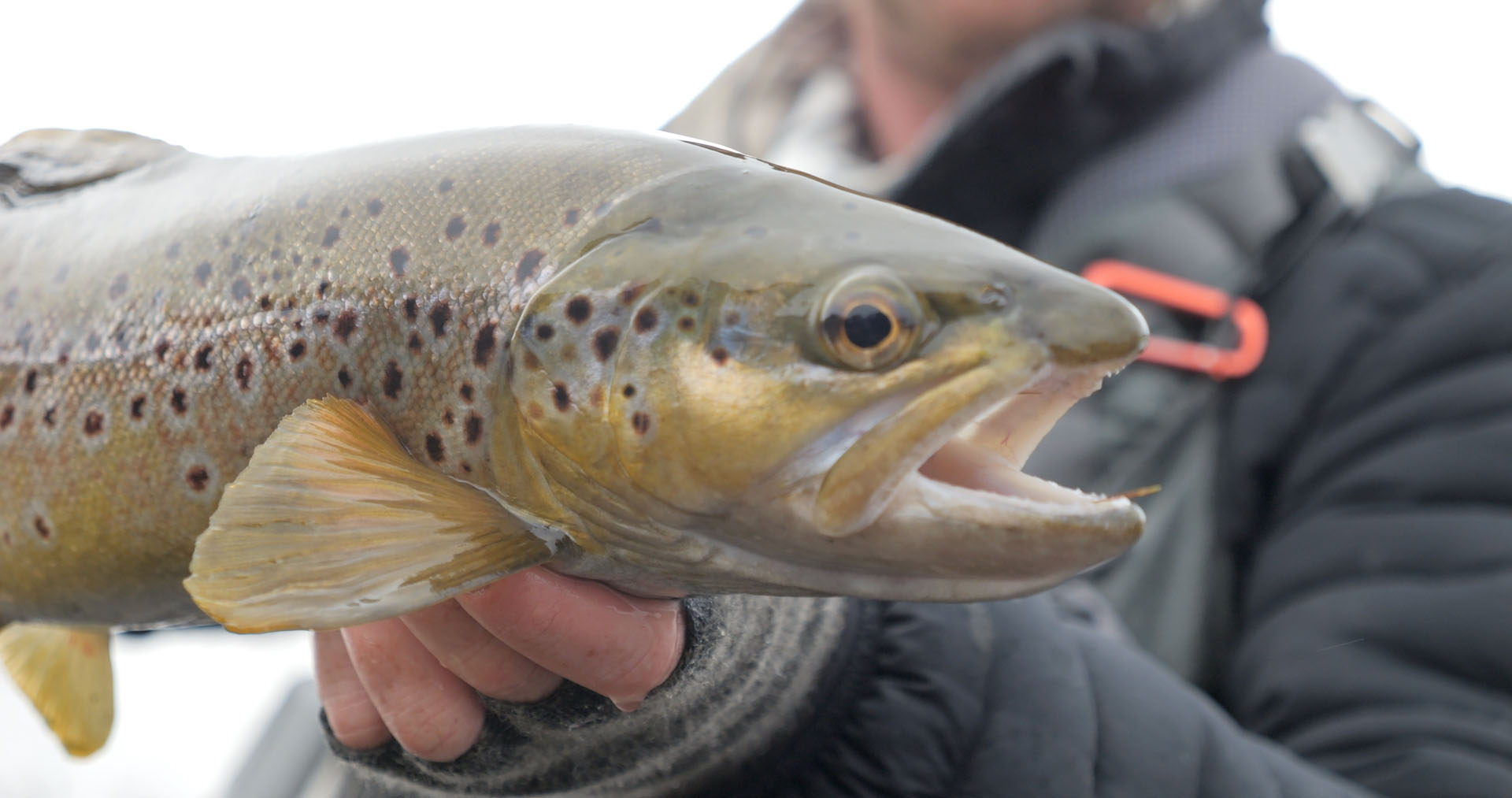
If this is your first fly fishing trip to Tasmania, the spread of water is often the hardest part to plan around.
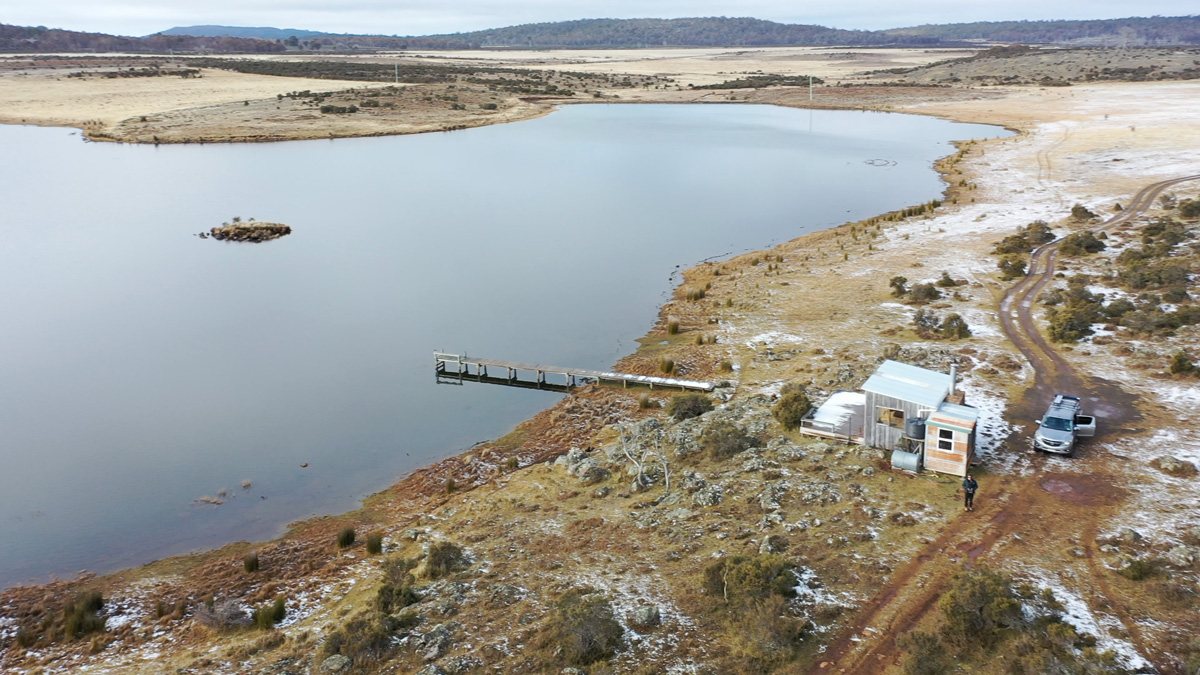
Arthurs Lake and yingina / Great Lake sit on the Central Plateau, the Tyenna River winds through farmland near Hobart, and Currawong Lakes offers a stocked alternative on waters not open to the public when wild fisheries are blown out.
All fall under the broad banner of Central Highlands Tasmania fishing, but logistics differ enough that planning ahead saves time.
This guide covers the groundwork: timing, licensing, gear, and the guided-versus-self-guided decision.
Booking early matters, particularly for a guide during spring, and our Trout Tales Tasmania homepage sets out current guided options if you'd rather have that side handled.
A Few Things to Know Before You Go
- 1 August to early May is the general season window, with rainbow trout and highland waters staying open into late May.
- A Tasmanian freshwater fishing licence is compulsory for anglers 14 and over, buyable online through IFS or directly through us as a licensed selling agent.
- Hobart is the most common arrival point, roughly 90 minutes from the Central Highlands.
- 700 to 1,100 metres: that's the altitude range for most highland lakes, which is why weather shifts so fast.
- Wet fly and streamers dominate early season; dry fly fishing takes over as summer hatches build.
- Book your guide before your flights. Peak spring and early summer dates fill months out.
- Pack for four seasons in one day. Highland weather shifts fast regardless of the calendar.
- Three to five days gives you a genuine trip; fewer means accepting some of it will go to adjusting, not fishing.
Timing Your First Fly Fishing Trip to Tasmania
The season opens 1 August and runs to early May on general waters, with rainbow trout fisheries and several highland lakes open into late May, according to Inland Fisheries Service Tasmania.
Early season suits anglers chasing pre-spawn fish on wet fly and streamer patterns, in tougher conditions.
Late spring through summer is when dry fly fishing comes into its own. Our Ultimate Guide to the Tasmanian Fly Fishing Season covers the calendar in full.
Most visiting anglers land in the October to March window, when days are longer and highland lakes fish more consistently, though conditions can still turn quickly, which is why local knowledge matters.
"I get a lot of first-timers who've planned their whole trip around a single forecast."
"Then the wind swings onto the lake and everything they'd read online stops applying," Tasmanian fly fishing guide Matt Stone says.
"The fish don't care what the calendar says, they care what the water's doing right now, and that's the bit you can't plan from home."
What to Pack for the Highlands
Packing for a first trip is less about volume and more about layering, since you're often a fair drive from the nearest shop.
Tasmania's highland weather can run through four seasons in a single day, so what you pack matters more here than in most places you've fished before. With that in mind, here's what you're after:
- Layer up. Highland temperatures can swing 15 degrees between dawn and midday, so thermal layers under a windproof shell beat one heavy jacket.
- Polarised sunglasses aren't optional here: they're how you'll spot fish and read water on the clearer highland lakes.
- Cold-water waders matter even in summer, since highland water stays cold enough to catch out breathable waders without a warm layer.
- Bring a broad fly selection covering both wet and dry patterns rather than committing to one style; our online shop stocks flies and gear if you need to fill any gaps before you fly out.
- Don't underestimate the sun. UV exposure at altitude is higher than most visitors expect, even on overcast days.
None of this needs to be expensive, it just needs to survive Tasmania's mood swings in a single day on the water.
Guided or Self-Guided: Choosing Your Approach
Most first-time visitors assume self-guided is simpler, and it can work if you've fished unfamiliar water before.
But highland lakes reward local knowledge a forum thread can't replicate. Guided fly fishing tours put you on water that's fishing well right now, and shortcut the curve around the Central Highlands, where Trout Tales Tasmania guides fish year-round.
"The anglers who get the most out of a first trip are usually the ones who admit they don't know the water yet," Matt explains.
Getting Your Licence
Every angler 14 and over needs a Tasmanian freshwater fishing licence.
Get your Tasmanian fishing licence through Trout Tales Tasmania, a licensed selling agent, and sort it before you arrive so it's one less stop on day one. Keep it on you while fishing, not in the car.
Matching Your Trip Length to Your Goals: Matt's Top Tip
Three days is a practical minimum: a guided day on the highland lakes, a session on a lowland river like the Tyenna, and a spare day to chase conditions.
Five days brings Currawong Lakes into play, with room to sort accommodation around whichever region fishes best.
"People underestimate how much a spare day matters."
"Give yourself one day with nothing booked and you can chase whatever's fishing well, rather than being locked into a lake that's turned off overnight."
"That's the difference between a good trip and a great one. I've seen it change a whole trip around, someone's booked out three days back to back on the same water, it's turned off, and there's nothing left to adjust to. One open day and you can just go where the fish actually are."
When to Plan Your Trip: A Season-by-Season Comparison
When to plan your first Tasmanian fly fishing trip, season by season.
Peak season is the easiest window for a first trip, since conditions are forgiving and guided availability is broader than in the shoulder seasons.
You can learn more about the Tasmanian fly fishing season in our ultimate guide blog too.
What First-Timers Always Ask Us
How far in advance should I book a fly fishing trip to Tasmania?
Aim to book three to six months out for peak season. Shoulder season dates can often be secured six to eight weeks out.
Do I need a licence to fish for trout in Tasmania?
Yes, every angler aged 14 and over needs a Tasmanian freshwater fishing licence, available online through IFS or through us as a licensed selling agent.
What is the best time of year for a first Tasmanian fly fishing trip?
Most first-timers do best between October and March, when days are longer and highland conditions more consistent.
Should a beginner book a guided trip for their first visit?
A guided day is strongly recommended, even for experienced fly fishers, since the highland lakes reward local knowledge over generic technique.
How many days should I allow for a first trip?
Three days is a practical minimum. Five days allows a mix of highland lakes, a lowland river, and a weather-contingency option like Currawong Lakes.
Your Next Cast Starts Here
Planning your first fly fishing trip to Tasmania comes down to a handful of decisions made before you land: when to go, guided or self-guided, and how many days to allow.
Get those right and the rest sorts itself out on the water.
If you'd rather hand that over to someone who fishes this water year-round, our guided fly fishing packages are worth a look before you lock in dates, and if you'd like to talk it through first, contact us directly.
Related Reading
- Fly Fishing Tasmania: Ultimate Guide For The 2026/27 Season - the full season calendar in one place.
- Our Go-To Trout Fly for Early Season Fishing in Tasmania - what to tie on before the hatches build.
- Family and Beginners Guide To Fly Fishing in Tasmania - more on getting started, family-focused.
- Dry Fly Floatant and Gear Essentials for Fly Fishing in Tasmania - the small gear details that matter.
- Getting Your Tasmanian Fishing Licence - the paperwork sorted before you land.

Hi, I'm Matt Stone - for over fifteen years I’ve developed my passion for fly fishing, wild trout and for the amazing places experienced in Tasmania along the way.
Feature Posts
Ready to book A trip?
Experience all of what fishing in Tasmania has to offer through a personalised fly fishing tour.
Book Now