Fly fishing Currawong Lakes in Tasmania offers clear water, wild brown trout and a stillwater fishery built around three interconnected lakes, each with its own character depending on wind, light and seasonal conditions.
Currawong is a managed private fishery tucked into the eastern edge of Tasmania's highland country. Unlike many of the larger plateau waters, Currawong's contained scale allows anglers to read how trout movement, wind lanes and structure interact across a relatively small area. It's a fishery where understanding positioning matters more than covering distance.
Controlled access helps maintain healthy trout populations and moderate fishing pressure, while the lakes support rich insect life and consistent seasonal hatches throughout the trout season.
If you're planning a visit, you can explore our Currawong Lakes Fly Fishing Package to see how guided days are structured across the lakes.
One of the first things anglers notice when arriving at Currawong is how quietly the lakes reveal themselves. Wind moves gently across the surface, margins sit clear beneath the sky and trout occasionally show their presence with a subtle rise or passing shadow.
Taking a few minutes to watch before making the first cast often reveals more than expected:
Those early observations often shape the entire session.
"Currawong rewards the angler who reads what's happening before casting. The wind lanes form, the trout start travelling defined paths and suddenly the lake opens up. It's one of those fisheries where positioning yourself well matters more than casting distance." — Matt Stone, Trout Tales Tasmania
Currawong fishes differently to many of Tasmania's larger highland lakes. Rather than covering long stretches of shoreline, anglers often spend more time reading how trout move through structure, margins and wind lanes before making a cast.
Several features shape how the lakes behave:
Together these characteristics create a fishery that rewards positioning and thoughtful presentation rather than constant movement.
Currawong is primarily a wild brown trout (Salmo trutta) fishery, and the fish are typically strong, clean and well proportioned.
They behave much like classic highland trout across Tasmania's plateau waters. In windy conditions trout often feed confidently through defined wind lanes where drifting food concentrates. In calmer conditions they can become selective, rising steadily but refusing poorly presented flies.
Hooked fish frequently fight hard in shallow water, running laterally across the surface before turning along a margin or structural edge.
In good light the clear margins sometimes allow anglers to see cruising trout or subtle movement beneath the surface before casting. Watching these behavioural cues often provides valuable clues about how the next presentation should be positioned.
One advantage of Currawong's contained scale is how readable the water can be compared with larger plateau lakes.
Rather than covering long distances, anglers often spend time reading how trout interact with structure and conditions before making a cast.
When reading the lakes, anglers often focus on a few key signals:
Over time these observations build a clearer understanding of how trout use the water.
"The interesting thing about Currawong is how clearly the patterns develop. Once the wind lanes form and the fish start travelling, the lake often becomes surprisingly readable." — Matt Stone
Currawong shifts gradually across the trout season as temperature, wind and insect activity influence how the lakes fish.
Spring (October – November)
Trout often begin working warming margins as insect life builds through the day and water temperatures slowly rise.
Summer (December – February)
Fishing becomes more consistent as mayflies, midges and terrestrials influence feeding behaviour depending on wind, light and daily conditions.
Autumn (March – April)
Trout often feed more confidently as spawning cycles approach and wind-lane fishing can become particularly productive.
Winter (Closed Season)
Although fishing is closed, spawning activity occurs and the lakes reset before the season reopens.
Understanding these seasonal shifts helps anglers recognise when the lake is about to change.
Currawong Lakes is located in Tasmania's highland country and operates as a managed private fishery. Access is via the property's private road, with specific directions provided upon booking. The drive from Hobart typically takes around 1.5 to 2 hours depending on weather and road conditions.
Once on the property, anglers can explore the three lakes either from the shoreline or by boat depending on conditions and personal preference.
Shore fishing is productive and often more deliberate in pace. The clear margins around the lakes allow anglers to watch cruising trout and adjust presentation carefully before casting.
Moving between different sections of shoreline is straightforward across all three lakes, allowing anglers to reposition as wind direction, light or trout movement begins to change.
The property also provides small hire boats which allow anglers to move quietly between the three lakes and reposition when wind lanes begin to form.
Fishing from a boat can make it easier to reach sections of shoreline that may be more difficult to access on foot and allows anglers to adjust position as conditions evolve throughout the day.
A current Tasmanian Inland Fisheries Licence is required to fish at Currawong Lakes. Licences can be purchased through the Inland Fisheries Service (IFS).
Access to the Currawong property is managed separately through Currawong Lakes directly or as part of guided fishing packages with Trout Tales Tasmania.
The general inland trout season in Tasmania runs from the first Saturday in August through to the last Sunday in April, although anglers should always check the latest Inland Fisheries Service regulations before travelling.
Tasmania's highland country is widely regarded as one of Australia's premier fly fishing regions. Large waters such as Arthurs Lake, Great Lake and Little Pine Lagoon attract anglers from around the world.
Currawong sits on the eastern edge of the highlands, distinct from the well-known Central Highlands plateau waters in both feel and geography. Its contained nature makes it easier to read wind patterns and trout movement, and for many visiting anglers it provides a valuable complement to the bigger highland fisheries.
Experiencing several waters across the region often gives anglers a deeper understanding of how Tasmanian lakes behave.
Currawong sits comfortably within a broader highland itinerary and is often paired with nearby waters to experience different styles of Tasmanian fly fishing.
Popular combinations include:
Combining several of these waters across a few days often provides a balanced Tasmanian fly fishing experience.
Currawong Lakes offers on-site accommodation as part of its fishing packages, providing anglers with convenient access to the lakes and surrounding highland waters.
Nearby towns within Tasmania's highland region also provide additional accommodation, dining and fuel stops for anglers travelling through the plateau.
Accommodation availability and on-site options can be arranged directly through Currawong Lakes or as part of guided packages organised by Trout Tales Tasmania.
For anglers travelling to Tasmania's highlands, Currawong often fits best as part of a broader itinerary rather than a single standalone day. The three lakes reward adaptability and offer genuine variety across a session.
Many visiting anglers combine Currawong with nearby fisheries such as Little Pine Lagoon, Penstock Lagoon or surrounding river systems depending on seasonal conditions.
If you're considering including Currawong in your Tasmanian trip, you can explore our Currawong Lakes Fly Fishing Package, browse our Tasmania Fly Fishing Packages, or contact Trout Tales Tasmania and we can help you work out how Currawong fits into your broader fishing plans.

Meander River fly fishing in Tasmania offers wild brown trout, stunning scenery, and easy access near Deloraine. Learn when to fish, top flies, and gear tips.
learn more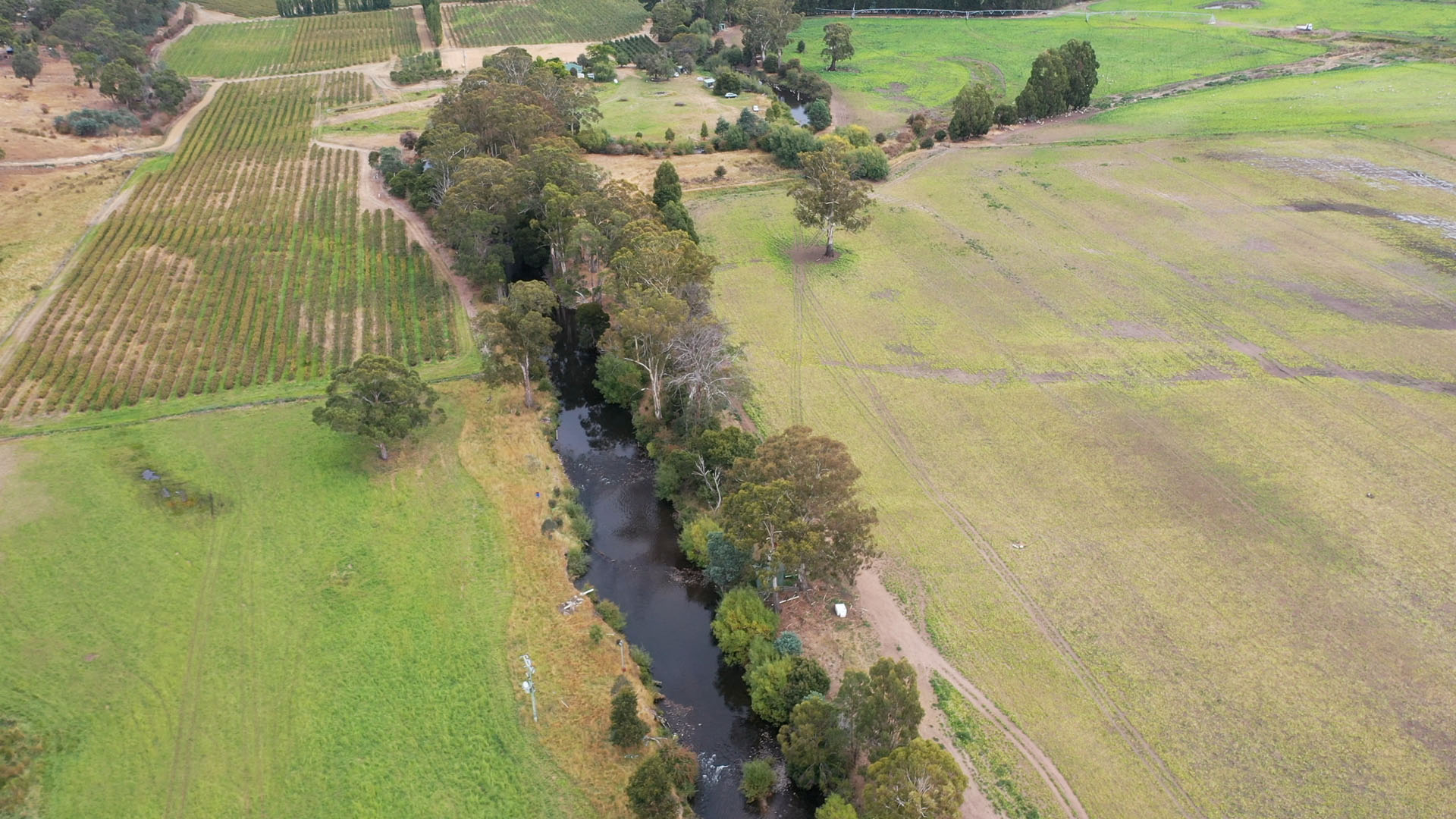
Deep dive the Tyenna River, one of Tasmania’s best fly-fishing spots near Hobart. Learn when to fish, what to bring, and plan your next adventure with Trout Tales.
learn more
Learn more about fly fishing at Little Pine Lagoon in Tasmania's Central Highlands, including its stunning backdrop and excellent fishing conditions.
learn more


