Fly Fishing at Tyenna River in Tasmania

Deep dive the Tyenna River, one of Tasmania’s best fly-fishing spots near Hobart. Learn when to fish, what to bring, and plan your next adventure with Trout Tales.

The Tyenna River is one of southern Tasmania’s most reliable and scenic trout fisheries. Flowing through the Derwent Valley, just 45 minutes from Hobart, it offers easy access, wild brown trout, and a mix of fast and slow-water stretches that suit

a range of fly-fishing styles. It threads its way from the cool highlands near Mount Field National Park through rainforest, open farmland and rugged boulder-strewn stretches before meeting the Derwent River.  

Watch The Video

Our dry fly fishing Tasmania's rivers masterclass features the Tyenna River and its surrounds.

About The Tyenna

Anglers strolling its banks or wading into its runs benefit from both easy road access and a strong wild trout population, estimates suggest up to 150 fish per 100 metre stretch in places.  

Whether you’re casting dries on summer evenings when caddis hatch, or upstream nymphing in cooler flows, the Tyenna River delivers variety and a chance at a memorable catch in one of Tasmania’s more accessible wilderness-style river fisheries.
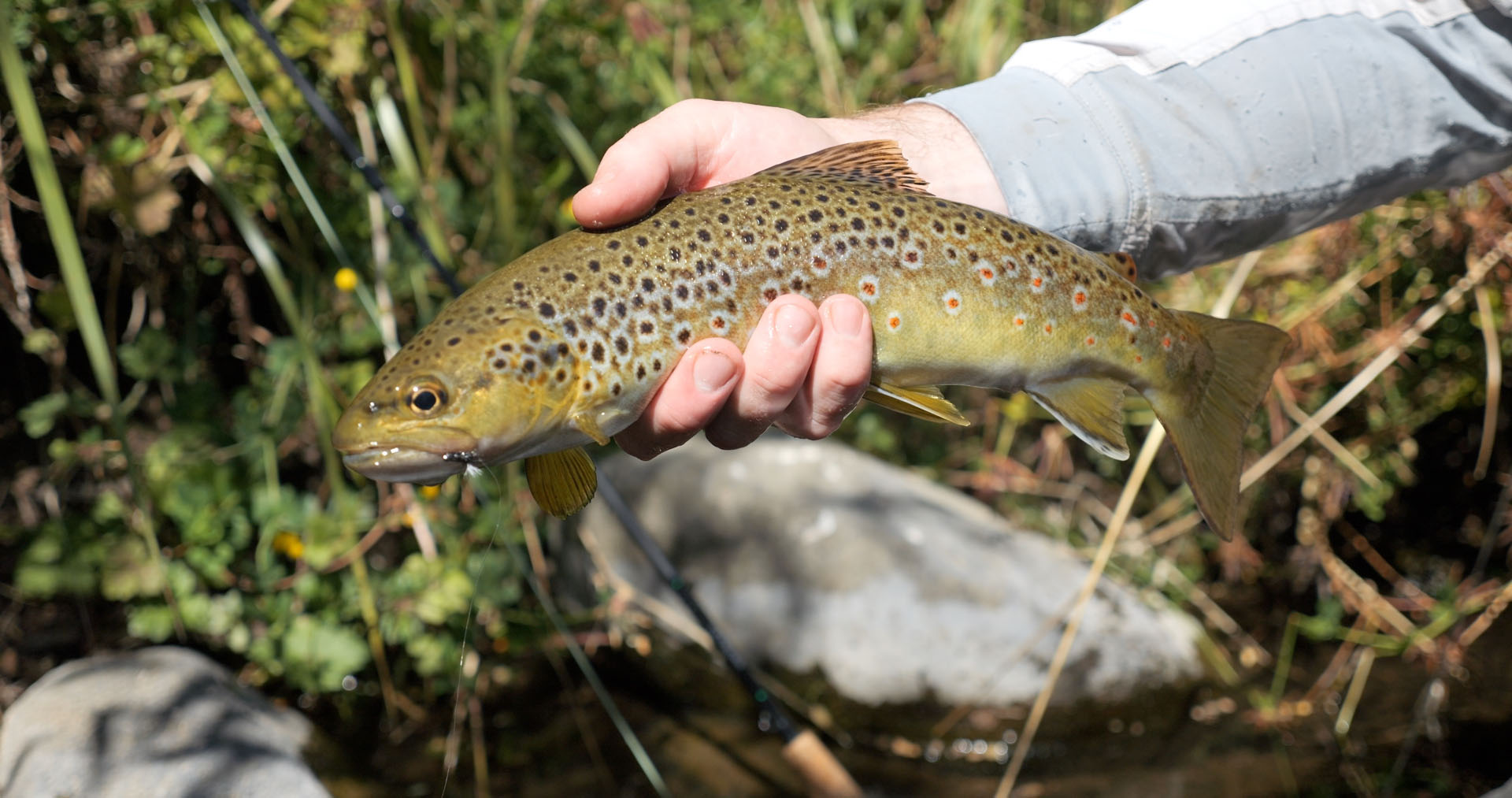
A beautifully marked Tasmanian brown trout caught on a dry fly.

A Classic Tasmanian River Fishery

The Tyenna River is a medium-sized river known for its consistency. With lush farmland and tall forest as its backdrop, the river provides both beautiful scenery and a healthy population of wild brown trout.

Water clarity is generally excellent, making it a favourite for sight fishing when conditions allow.

This system fishes particularly well in late summer and autumn, when dropping water levels encourage trout to rise freely to dry flies.

On these days, wading upstream with a light rod and a box of dries can produce memorable sessions.

For more options in the region, check out our blog on Trout Fishing Near Hobart.

How the Tyenna River Fishes Throughout the Season

The Tyenna River offers a remarkably dynamic trout fishery that evolves with the changing Tasmanian seasons. Understanding how conditions shift - from high, cold spring flows to low, clear summer water - helps anglers choose the right approach and make the most of every outing. You can read more in our Ultimate Guide to Fly Fishing Tasmania: 2025/26 and check out our Shop – Fly Fishing Gear & Flies to make sure you’re equipped.

  • Early Season (August - October): Higher flows and cooler weather mean streamer and nymph fishing are most effective. Trout often hold tight to structure and deeper pools, where drifting a weighted nymph or swinging a small woolly bugger can tempt fish seeking shelter from the current. The water is cold and clear in upland stretches, so stealth and slower retrieves are key. This is also the time to explore side channels and slower eddies, as resident browns patrol these calmer zones for early aquatic insect activity and small baitfish. For technique-specific tips, see our Fly Fishing Tips & Techniques.
  • Summer (December - February): Insect hatches bring the river alive, and dry-fly fishing can be superb. Expect eager risers in riffles and glides as caddis, mayflies, and terrestrials like beetles and grasshoppers dominate the surface menu. Long, accurate casts and light tippets pay off in the clear summer water, particularly during evening rises when trout feed aggressively under fading light. Wading is comfortable, access is easy, and the Tyenna River rewards observation, matching the hatch can make all the difference on bright, still days. See our Tasmanian Fishing Locations section for “near Hobart” river options.
  • Autumn (March - April): Dropping levels create perfect wading conditions. Fish feed consistently on dries, and accurate presentation can deliver excellent results. As temperatures cool, trout feed heavily in preparation for spawning, often rising confidently to medium and large dry patterns. The changing foliage and softer light make for idyllic fishing conditions, with crisp mornings and calm afternoons providing some of the most consistent action of the year. This is a prime time for sight-fishing in the shallower glides and tailouts.
  • Winter (May – July): The coldest months see reduced fishing activity, but for hardy anglers, the Tyenna River still offers opportunities. Trout move toward spawning grounds, often holding deep in pools and undercut banks, making nymphing and streamer tactics the best choice. Water clarity can vary after rain or snowmelt, so heavier flies and darker patterns help maintain visibility. While surface action is rare, the peaceful winter landscape, mist over the river, snow-dusted peaks, and few anglers - creates a serene and rewarding experience for those who brave the chill. You can plan a multi-day experience via our Guided Fly Fishing Tour Packages.

Heavy rain can colour the water, but the Tyenna River usually clears quickly - keeping it fishable more often than not. For a broader seasonal overview, see our Tasmania Trout Fishing Seasonal Behaviour Guide.

Getting There & Access

The Tyenna River is one of the most accessible fisheries near Hobart.

  • By Road: From Hobart it’s around a 45-minute drive northwest through the Derwent Valley via the Lyell Highway (A10), turning off toward Westerway/Maydena. The relatively short travel time makes the Tyenna River an ideal day-trip destination for visiting anglers. For other nearby options, visit our post The Best Places to Fly Fish in Tasmania (2025) which includes the Tyenna River among other great spots.
  • Shore Access: Much of the Tyenna River can be accessed on foot, making it especially suitable for wading and exploring riverbanks. In the mid- and lower reaches, where river levels drop through summer and autumn, wading becomes easier and safe entry points abound near bridges and public reserves. If you’re looking for advice on access and bank-entry points, check out our blog on The Best Trout Flies in Tasmania: Patterns and Tips for fly patterns and also mention of typical river conditions.
  • Boat Fishing: Because the Tyenna is relatively narrow, boulder-strewn in parts, and has a mix of fast and slow water, drift-boats are largely impractical. Fishing by foot offers the best flexibility, especially in the more intimate reaches. If you’d like to combine your day on the Tyenna River with wider waterbody fishing (for example lakes or larger river systems nearby), consider one of our tour packages listed on our Packages Page for a multi-location experience.
Aerial view of a quiet Tasmanian stream winding through farmland.

Recommended Gear Setup

Fishing the Tyenna River doesn’t require anything overly technical - just reliable, well-balanced gear. Here’s what Matt recommends for most sessions:

  • Rod: A 4–5 wt fly rod around 9 ft is ideal for accuracy and control in moderate flows. If you’re planning more streamer work (especially in the early season) you might step up to a 5–6 wt. Head over to our Online Fly Fishing Shop for our trusted rod-and-reel setups.
  • Line: A floating line covers most situations, with an optional intermediate line early in the season for heavier nymphs or small streamers when flows are higher and trout are a little less active on the surface. For more on line types and when to use each, check our blog's Fly Fishing Gear & Techniques section.
  • Dry flies: Among the summer staples are patterns like the Elk Hair Caddis, Red Tag, and small Stimulators — especially effective when insect hatches activate the river.
  • Subsurface patterns: For nymphing or early-season fishing try Pheasant Tail, Hare’s Ear nymphs and, when conditions are cool and flows higher, Woolly Buggers.
    Visit our shop Flies & Fly Boxes for recommended patterns and seasonal fly boxes tailored to Tasmanian rivers.
  • Tippet: Use 4-5 lb fluorocarbon for nymphs (to handle heavier flies and deeper water), and 3-4 lb for dries to keep your presentation light and natural. For line and tippet tips specific to the Tyenna River, refer to our article Matching Gear to River Conditions.

All the essential gear and fly patterns mentioned here - including many of Matt’s personal favourites - are available in the Trout Tales online shop.

Each selection has been hand-picked for Tasmanian waters, ensuring anglers have access to the same high-quality equipment used on guided trips.

“The Tyenna River is one of my go-to rivers when I want a guaranteed chance at wild fish close to Hobart. It offers something different each season, which makes it so rewarding to fish,” says Matt.

Planning Your Trip

The Tyenna River is accessible and fishable for most of the trout season, making it an excellent choice for both visiting and local anglers.

With its proximity to Hobart and mix of open farmland, shaded forest, and crystal-clear riffles, it’s a river that rewards both casual exploration and well-planned sessions.

Waders and polarised sunglasses are essential for spotting and positioning - especially when sight-fishing to feeding browns in clear summer flows.

Pairing a guided day trip with Trout Tales Tasmania ensures you’ll make the most of current conditions and seasonal hatches, whether drifting dry flies through sunlit glides or swinging small streamers in early-season currents.

Our experienced guides tailor each trip to the day’s water levels, temperature, and insect activity, helping you read the river and refine your presentation. You can learn more about available experiences on our Fly Fishing Packages page.

For longer adventures, check out our Trout Fishing Accommodation in Tasmania guide, featuring local stays close to key waters like the Tyenna, Derwent, and Meadowbank Lake.

Many lodges offer early-morning access, gear storage, and drying areas for waders - ideal for anglers planning multi-day trips.

Timing and soft presentation make all the difference.

Ready to Fish the Tyenna River?

The Tyenna River is the perfect mix of accessibility and quality fishing - ideal for anyone wanting to experience Tasmania’s wild brown trout close to Hobart.

Book a guided fly fishing trip in Tasmania with Trout Tales and let us take care of the details while you focus on enjoying the water.

Related Reading

If you’re planning your next trip or looking to explore more of Tasmania’s incredible fly-fishing waters, these articles are worth a read:
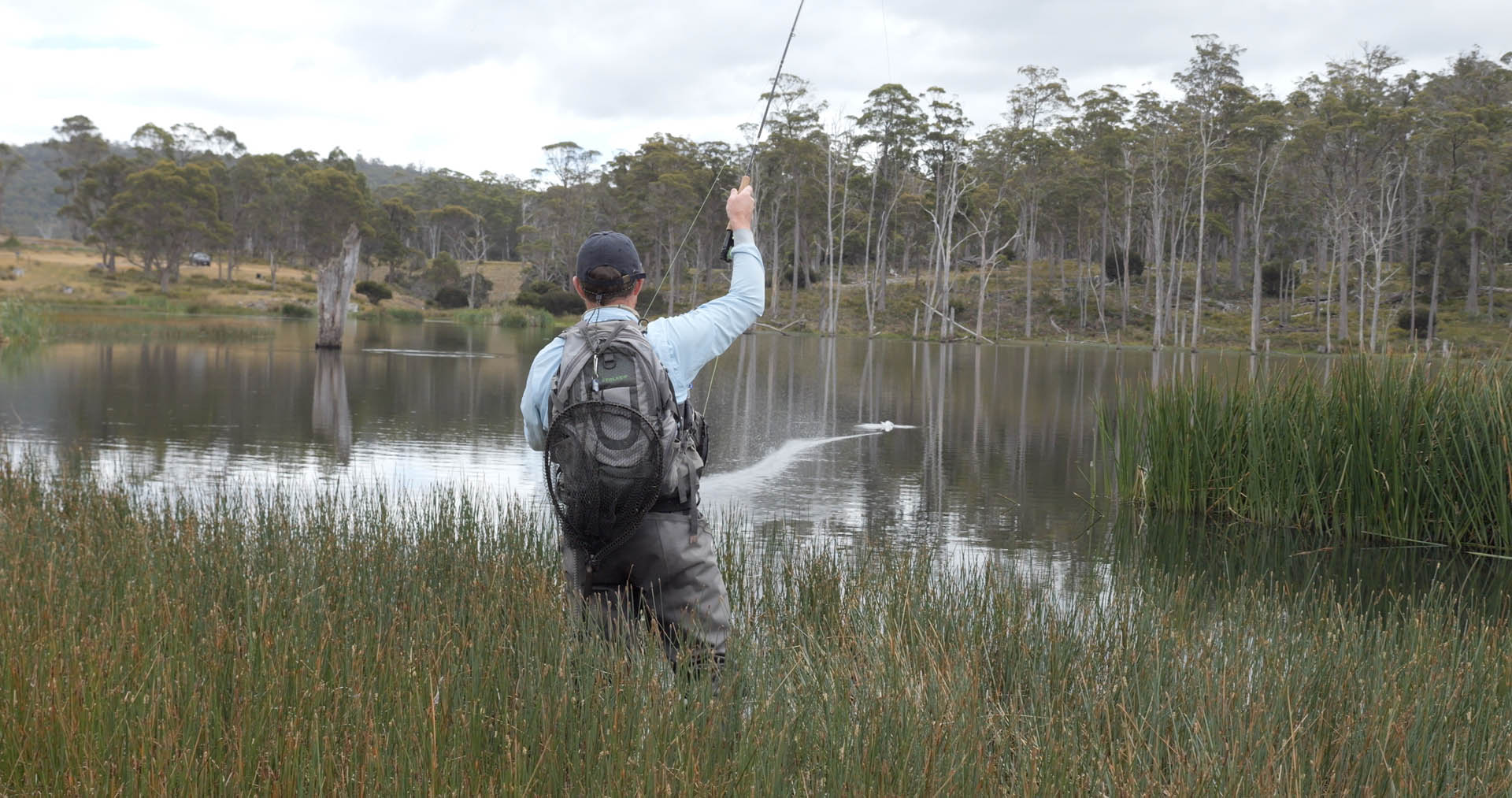
Other fly fishing in tasmania locations

Fly Fishing at Meander River in Tasmania

Meander River fly fishing in Tasmania offers wild brown trout, stunning scenery, and easy access near Deloraine. Learn when to fish, top flies, and gear tips.

learn more

Fly Fishing at Little Pine Lagoon in Tasmania

Learn more about fly fishing at Little Pine Lagoon in Tasmania's Central Highlands, including its stunning backdrop and excellent fishing conditions.

learn more

Fly Fishing at Great Lake in Tasmania

Learn more about fly fishing at Great Lake, Tasmania - a popular and well known spot amongst both visiting and local anglers.

learn more

ready to create your own tassie 'Trout tale'?

If you're ready to begin your Tasmanian trout fishing adventure, get in touch to organise your all-inclusive, personalised trout fly fishing tour packages.
view packagesbook now