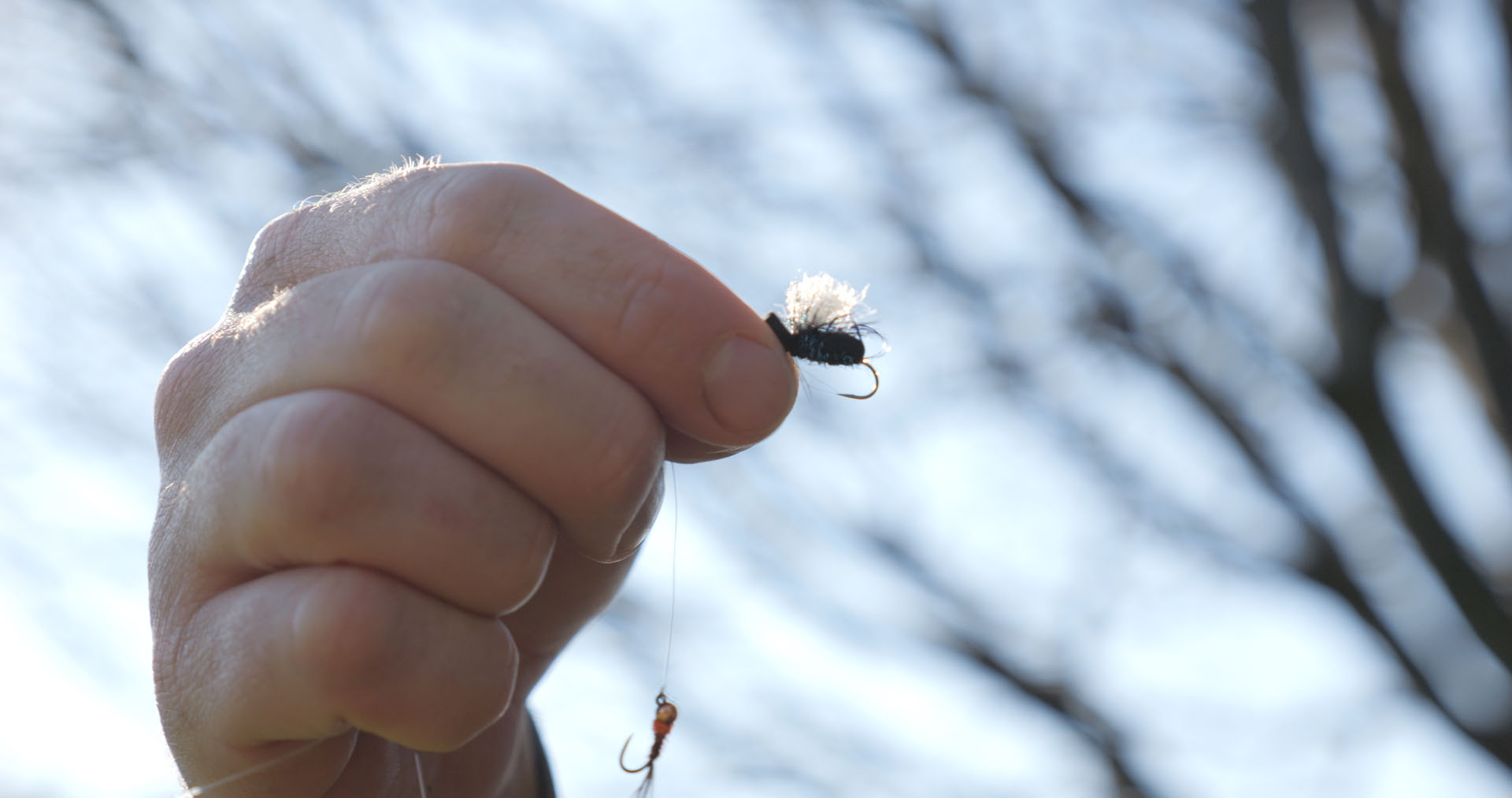
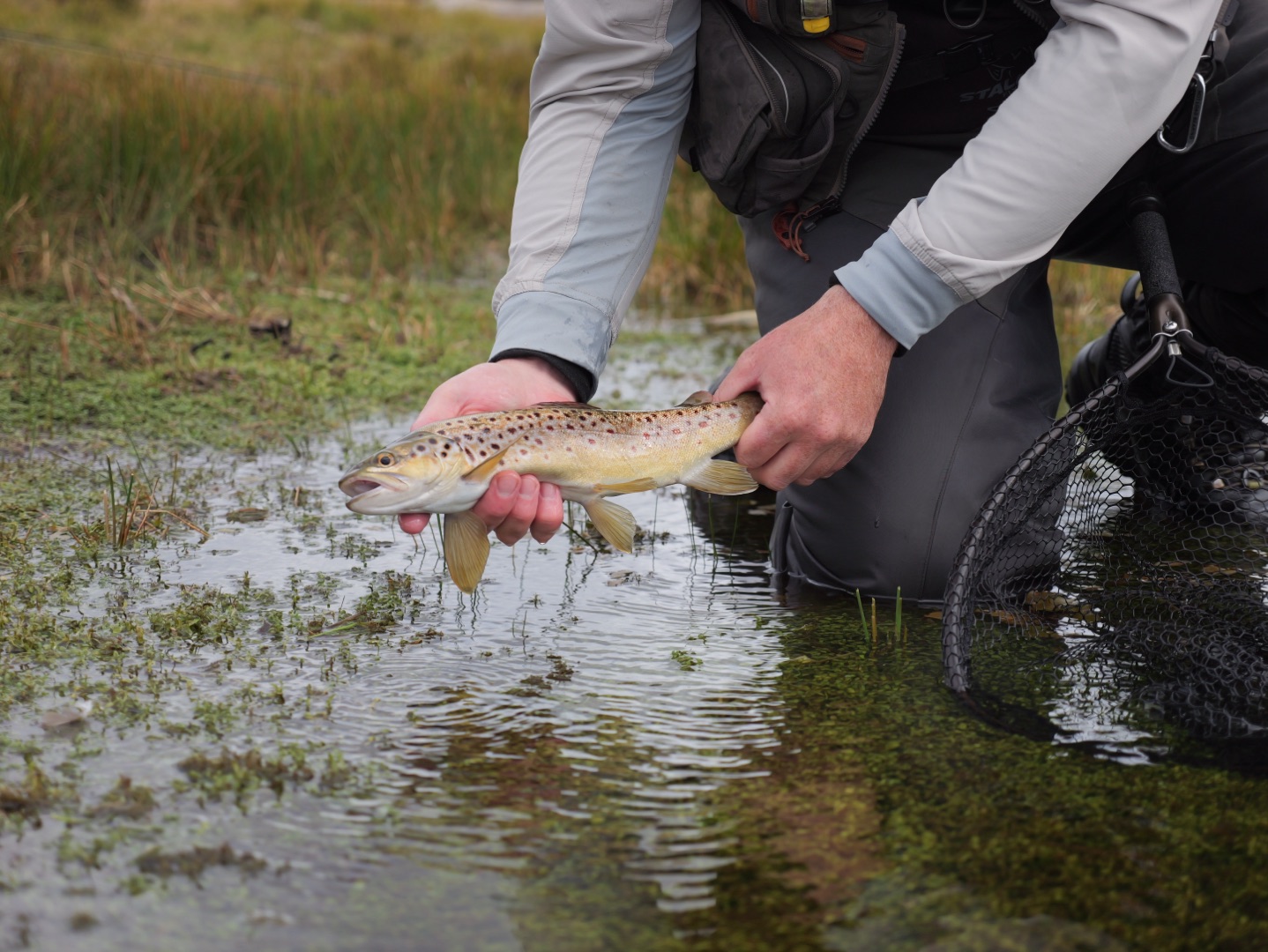
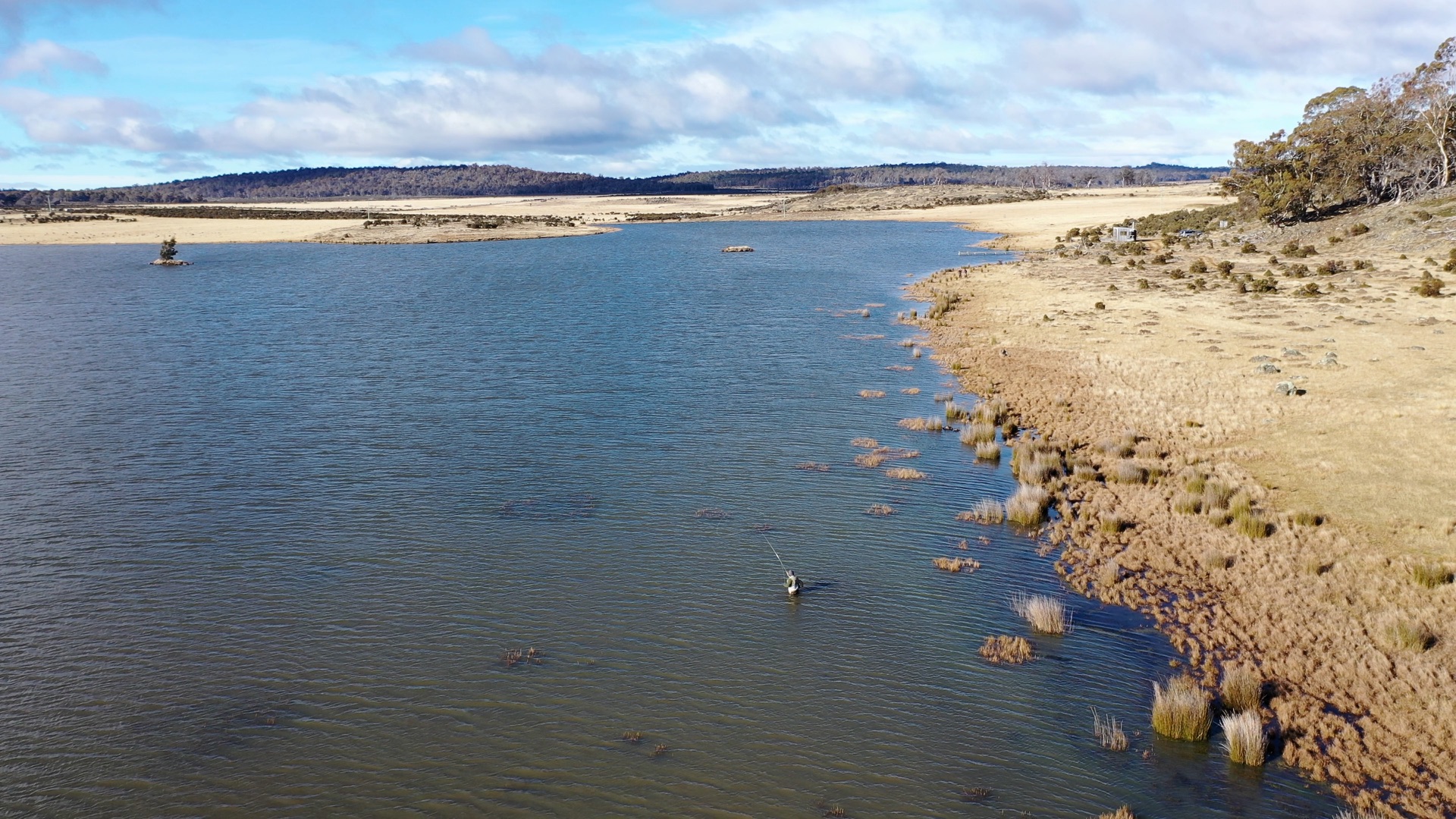
If you spent any time on Penstock Lagoon, Bronte Lagoon or Currawong Lakes through the warmer months of 2025/26, chances are you saw damselflies working the margins, and trout doing their best to eat them.
Across the Central Highlands last season, the Blue Damsel, a fly Tasmania anglers have come to rely on, enjoyed one of its strongest years yet, and it earned its spot as one of the standout patterns in our wrap-up of the season.
Damselfly hatches are one of those Tasmanian summer patterns that separate a good session from a great one. When the naturals are up and moving along the shoreline, trout key in on them hard, and they get fussy.
That is exactly the kind of feeding the Blue Damsel was built to solve.
A pattern built for a fussy feeder
Trout feeding on damselflies have a reputation for being some of the hardest fish to fool. They see plenty of naturals, they know what one looks like and they are absolutely keyed in on them, and a poor imitation gets refused more often than eaten. The Blue Damsel has proven itself against exactly that kind of fish over the past few seasons, and 2025/26 was no exception.
It fished particularly well at Currawong Lakes, where prolific blue damsel and red spinner hatches through the warmer months brought the three purpose-managed lakes to life. It was also a consistent performer during the warm afternoon sessions at Penstock and Bronte Lagoon, especially around lake margins where damselfly activity was heaviest.
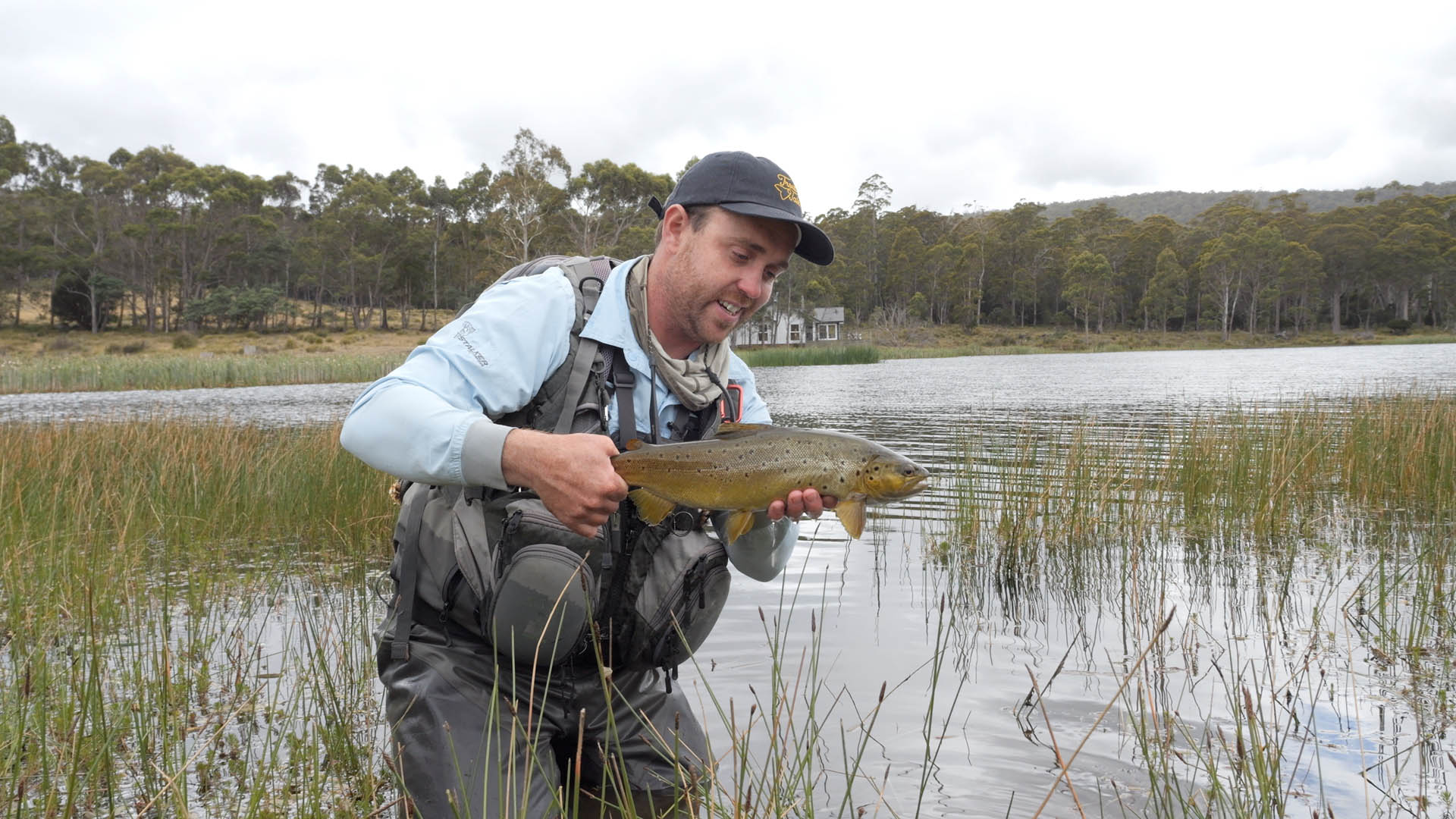
Tasmanian fly fishing guide Matt Stone says, "You'll often see fish patrolling the edge of a line of tall reeds, looking for any opportunity to ambush the hovering damsels."
"The takes on a damsel pattern are rarely subtle once a fish decides it's real, but getting there takes the right retrieve and a bit of patience. When the wind drops out in the afternoon and those damsels start moving along the bank, that's when you want to be in position."
How to fish it
The Blue Damsel is designed to be presented to a feeding fish, not blind-cast (although this often works too). A few things make the difference between it getting refused and getting eaten:
- Cast it into the path of a feeding or cruising fish rather than searching blind water.
- Let it sit in the zone where a fish has been feeding long enough for a trout to find it.
- Use a slow, deliberate twitch to imitate the natural's movement if a static presentation doesn't work.
- Fish it on a long, fine leader, since damsel-feeding trout tend to be leader-shy.
Matt adds, "The twitch can be everything with this fly. Too fast and it looks nothing like a damsel, too slow and the fish loses interest. It's a small adjustment, but it's the difference between a follow and a take."
Check out this take on the Blue Damsel from Currawong Lakes last season in the player below:
Where to buy the Blue Damsel fly
Te Blue Damsel is available in size 10, and there are a few ways to add it to your box through the online fly shop:
- On its own: the Blue Damsel, $5 each.
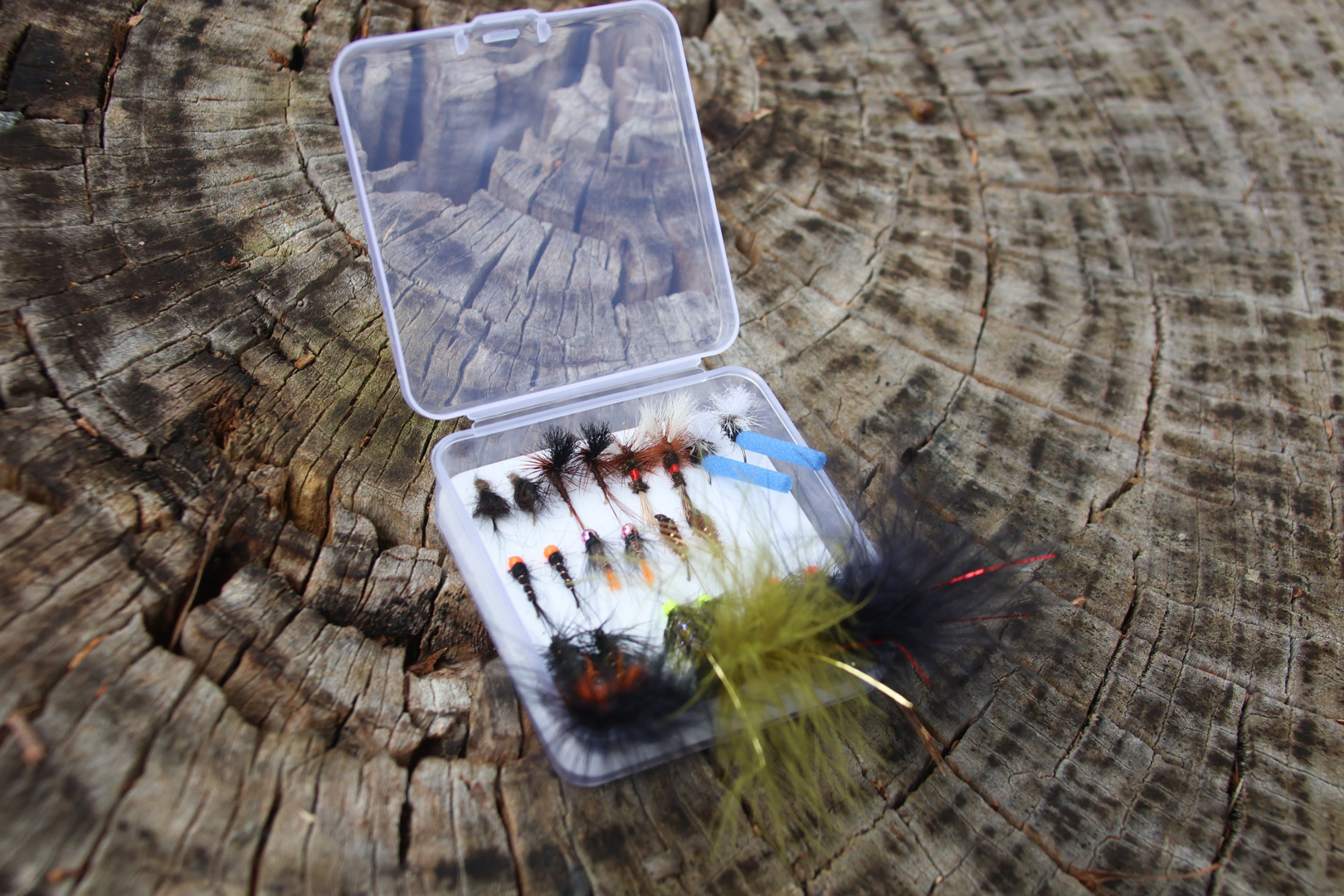
- In the Lake Combo Box (12 Pack), paired with our most trusted stillwater patterns.
- In the Ultimate Tassie Combo Box (20 Pack), covering lakes, rivers and streams in one box.
Looking ahead to the 2026/27 season
With another Tasmanian summer of damselfly hatches ahead in 2026/27, and Currawong Lakes now running as a dedicated package for the season, the Blue Damsel earns its place in the box before you head out.
For a feel of how the season tends to unfold, which hatches turn up when and what the trout will be looking for through the warmer months, our ultimate guide to fly fishing Tasmania walks through the whole 2026/27 season.

Hi, I'm Matt Stone - for over fifteen years I’ve developed my passion for fly fishing, wild trout and for the amazing places experienced in Tasmania along the way.
Feature Posts
Ready to book A trip?
Experience all of what fishing in Tasmania has to offer through a personalised fly fishing tour.
Book Now